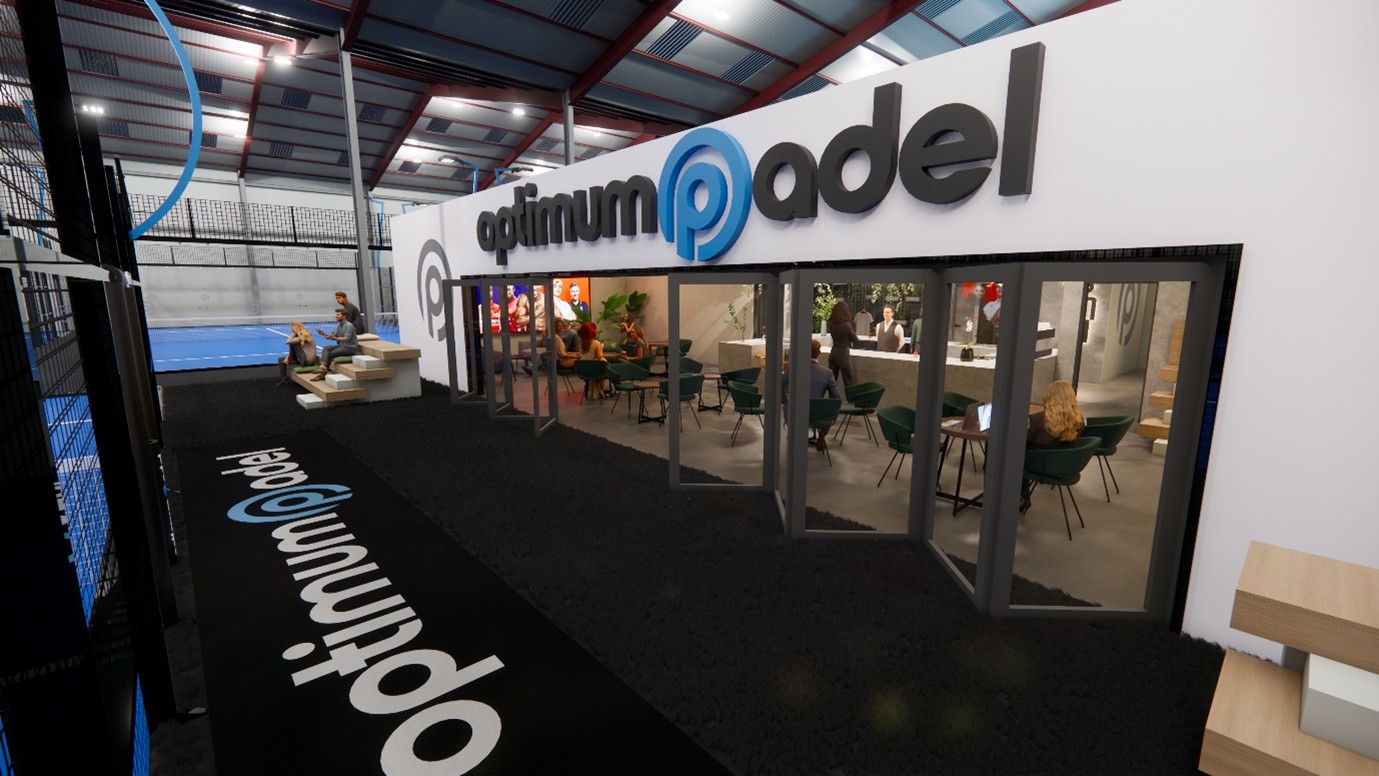

DPP Associate Director, Lee Fulcher recently spoke to Estates Gazette about the planning side of Padel. Which is emerging as one of the most commercially attractive opportunities currently available to landowners.
Padel continues to grow rapidly across the UK and, from a sport and leisure planning perspective, is emerging as one of the most commercially attractive opportunities currently available to landowners. As an accessible entry-level racket sport, its appeal is obvious, which is reflected by the latest Lawn Tennis Association statistics, which found that more than 860,000 juniors and adults played at least once last year.
But what makes padel particularly interesting is the winning combination of strong demand, relatively quick delivery and, in some cases, planning flexibility – for the right site, that can make it a compelling proposition.
Interim or permanent
Commercially, padel is a reliable investment, as court hire typically ranges from £30–£50 per hour off-peak and £50–£80 per hour at peak times, with many operators reporting 80–90% occupancy during evenings and weekends. As a result, a single court can generate £150,000–£250,000 per year, depending on location, operator model and programming. We have promoted more than 60 padel courts across the UK in the last 12 months, with a strong pipeline of further projects. Whether as a temporary use or a permanent facility, early advice on site selection, planning strategy and policy risk can make a significant difference to deliverability.
We have found that many new padel facilities come forward either as temporary uses of vacant sites awaiting redevelopment, or through the repurposing of vacant warehouses and underutilised industrial buildings. In both of these cases, padel can provide a meaningful interim or permanent income stream at a time when many assets remain underused.
From a landowner’s perspective, the return on investment is particularly attractive for temporary use. Courts are modular and removable, meaning capital costs are comparatively low, with operators often funding a significant proportion of the fit-out. Compared with other leisure uses, the risk profile can be modest and payback periods relatively short – subject, of course, to local competition and catchment strength.
For sites that are awaiting planning consent for other developments, or vacant due to weak demand, funding constraints or wider market conditions, creating indoor padel courts can provide a high-quality, revenue-generating stopgap for property and landowners, without necessarily prejudicing the longer-term, end-goal redevelopment. For more permanent facilities, the most common model is the repurposing of industrial buildings, particularly those with generous internal clear heights.
However, as much as using out-of-town, industrial buildings for padel courts might sound good in practice, from a planning perspective it’s trickier. Padel is classified as a main town centre use under the National Planning Policy Framework. That means any out-of-centre padel court proposals are subject to the Sequential Test, which is where applicants must demonstrate that there are no suitable, available and viable sites within or on the edge of a town centre that could accommodate the development. This test can add significant delays, costs and complications to any proposed padel developments on the edge-of-centre industrial estates or standalone commercial sites and can prove difficult to overcome.
There are more planning issues when proposed industrial padel sites sit within a safeguarded employment area, zones protected for business and industry by local authorities in their local development plans. In these cases, applicants must either show that there is enough existing land available for industry or justify why the proposed padel facility would not undermine the function of the employment area.
Winding routes
So which approach is better – temporary or permanent padel facilities? Both have challenges and, of course, must pass the various planning permission tests. Temporary padel schemes can make highly lucrative and effective use of empty land or buildings, but are not always straightforward. Permanent facilities can offer stronger long-term value, but the planning route is often more difficult.
The real opportunity with padel, and any leisure development, lies where commercial attractiveness, building suitability and planning strategy are properly aligned.
Ultimately, both temporary schemes and permanent facilities can offer strong returns, relatively low capital exposure and a meaningful way to use empty space or land. But neither route is straightforward and the right planning approach depends on the type of site available, the local policy context, the strength of the operator and the landowner’s objectives.